
What Window Types Are Best for Hampton Roads’ Climate?
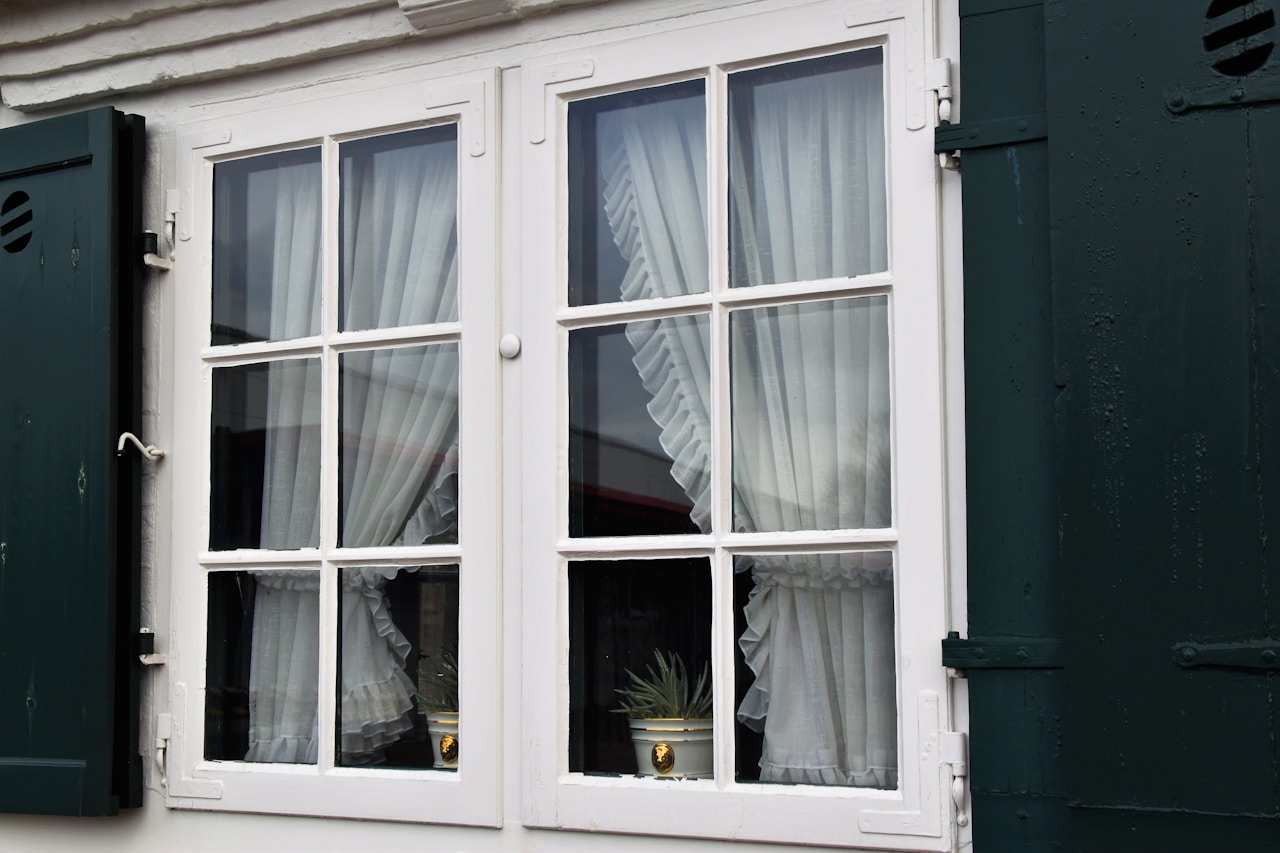
Double-hung and casement windows perform best in Hampton Roads. Both offer excellent ventilation for our humid climate while sealing tightly against coastal storms.
Here’s how the main types compare:
- Double-hung windows — Excellent ventilation with good storm resistance. Works for nearly every application. Salt air resistance depends on your frame material.
- Casement windows — Excellent ventilation with the best storm resistance of any operable window. Wind pressure actually pushes the sash tighter against its seal. Ideal for catching coastal breezes.
- Picture windows — No ventilation, but excellent storm resistance. Maximum unobstructed views for waterfront homes.
- Sliding windows — Good ventilation and storm resistance for wide openings.
- Awning windows — Good ventilation with excellent storm sealing. The only window type that lets you ventilate during rain.
- Bay/Bow windows — Good ventilation and storm resistance. Creates additional interior space and panoramic views.
One important note: salt air resistance depends primarily on your frame material choice, not the window style. Fibrex and fiberglass resist salt air well. Aluminum does not.
Why Ventilation Matters in Hampton Roads
Our area sees 70–80% humidity from May through October, average summer temperatures of 85–90°F, and salt air blowing in from the Chesapeake Bay and Atlantic. But we also get beautiful shoulder seasons in April–May and September–October when natural ventilation can significantly reduce your energy costs. Windows that provide good airflow let you take advantage of those comfortable days without running the HVAC.
What Are Double-Hung Windows?
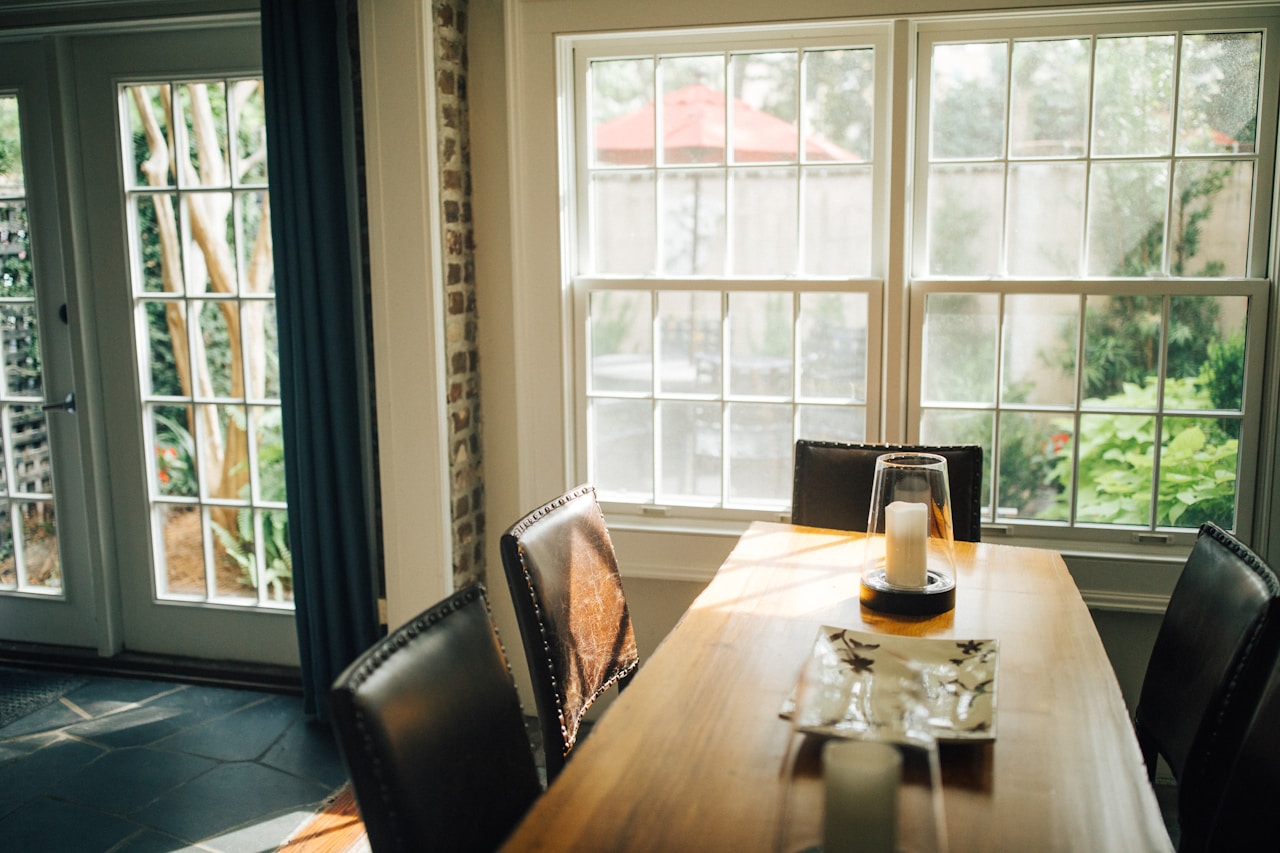
Double-hung windows have two sashes that both slide vertically. You can open the top, bottom, or both for customizable airflow. They’re Hampton Roads’ most popular window style for good reason.
The upper sash slides down, the lower sash slides up, and a balance system holds either sash in whatever position you set. Most modern double-hungs also include a tilt-in feature that lets you swing sashes inward for easy cleaning, plus locks to secure the window when closed.
Why Double-Hung Windows Are #1 in Hampton Roads
Versatile ventilation. Open both sashes on mild Hampton Roads evenings and warm air exits through the top while cooler air enters from the bottom. That natural circulation works beautifully without running AC during our spring and fall.
Easy exterior cleaning. Tilt-in sashes let you clean outside glass from inside your home. That’s a big deal in Hampton Roads where salt spray, pollen, and coastal grime coat windows constantly. No ladders needed on sandy coastal lots.
Classic appearance. Double-hung windows complement virtually every architectural style found here, from colonial homes in Norfolk’s Ghent to contemporary construction in Virginia Beach’s North End.
Good storm performance. Multiple weatherstripping points create effective seals against wind-driven rain during nor’easters and tropical systems.
Double-hung windows provide ventilation across up to 50% of the window opening, work in bedrooms, living rooms, hallways, and most other applications, and run $450–$850 installed.
What Are Casement Windows?
Casement windows are hinged on one side and swing outward, operated by a crank handle. They provide maximum ventilation and superior sealing against coastal storms.
A hinge system attaches the sash to the frame on one side, and a smooth crank mechanism lets you open and close the window easily. When closed, a compression seal presses the sash tightly against the frame, and multi-point locks secure it at several positions simultaneously.
Why Casement Windows Excel in Coastal Areas
Maximum ventilation. Casement windows open fully, giving you 100% of the window area for airflow. The outward-swinging sash works like a scoop, catching Hampton Roads’ ocean and bay breezes and directing them straight into your home.
Superior storm sealing. During nor’easters and hurricanes, wind pressure pushes casement windows tighter against their compression seals. That’s a fundamentally better design for storm protection than other window types.
Unobstructed views. Without a center rail splitting the glass, casement windows offer cleaner sightlines than double-hung windows. Combined with a larger glass area for any given frame size, they’re excellent at maximizing views of the Chesapeake Bay or Elizabeth River.
Easy operation over counters. The crank handle makes them easy to open even when reaching across a kitchen counter or other obstacle.
Casement windows run $450–$950 installed, work best in kitchens, bedrooms, and hard-to-reach areas, and just require enough exterior clearance for the sash to swing outward.
When NOT to Choose Casement Windows
Skip casement windows when they’d open into a walkway or patio (blocking foot traffic), extend over a deck railing, project into a tight exterior space with no room for the outward swing, or clash with the original window style in a historic home (where double-hung is usually the right match).
When Should You Choose Picture Windows?
Choose picture windows when you want maximum views and don’t need ventilation. They’re ideal for showcasing Hampton Roads’ waterfront scenery.
Picture windows are fixed, meaning they don’t open. That sounds limiting, but it’s actually an advantage in several ways. Without operating hardware or sashes breaking up the glass, they give you the largest unobstructed viewing area of any window type. They also let in the most natural light, deliver the best energy efficiency (no operable parts means fewer air leak points), offer excellent storm resistance (nothing can fail mechanically), and need basically no maintenance.
Best Locations for Picture Windows in Hampton Roads
For Chesapeake Bay views, a large picture window makes an incredible room focal point. For Elizabeth River views, try a center picture flanked by casement windows on either side for ventilation. Ocean and beach views call for oversized or floor-to-ceiling picture windows. And for landscaped yards or privacy-sensitive areas, picture windows can be placed higher on the wall to frame what you want to see while blocking sightlines from outside.
Picture Window Combinations
Picture windows work best paired with operable windows for ventilation. A large center picture with casements on the sides gives you maximum views plus airflow. A picture flanked by double-hung windows creates a more traditional appearance. A picture below a fixed transom above adds height and light. And a row of multiple picture windows creates dramatic walls of glass.
What Are the Benefits of Bay and Bow Windows?
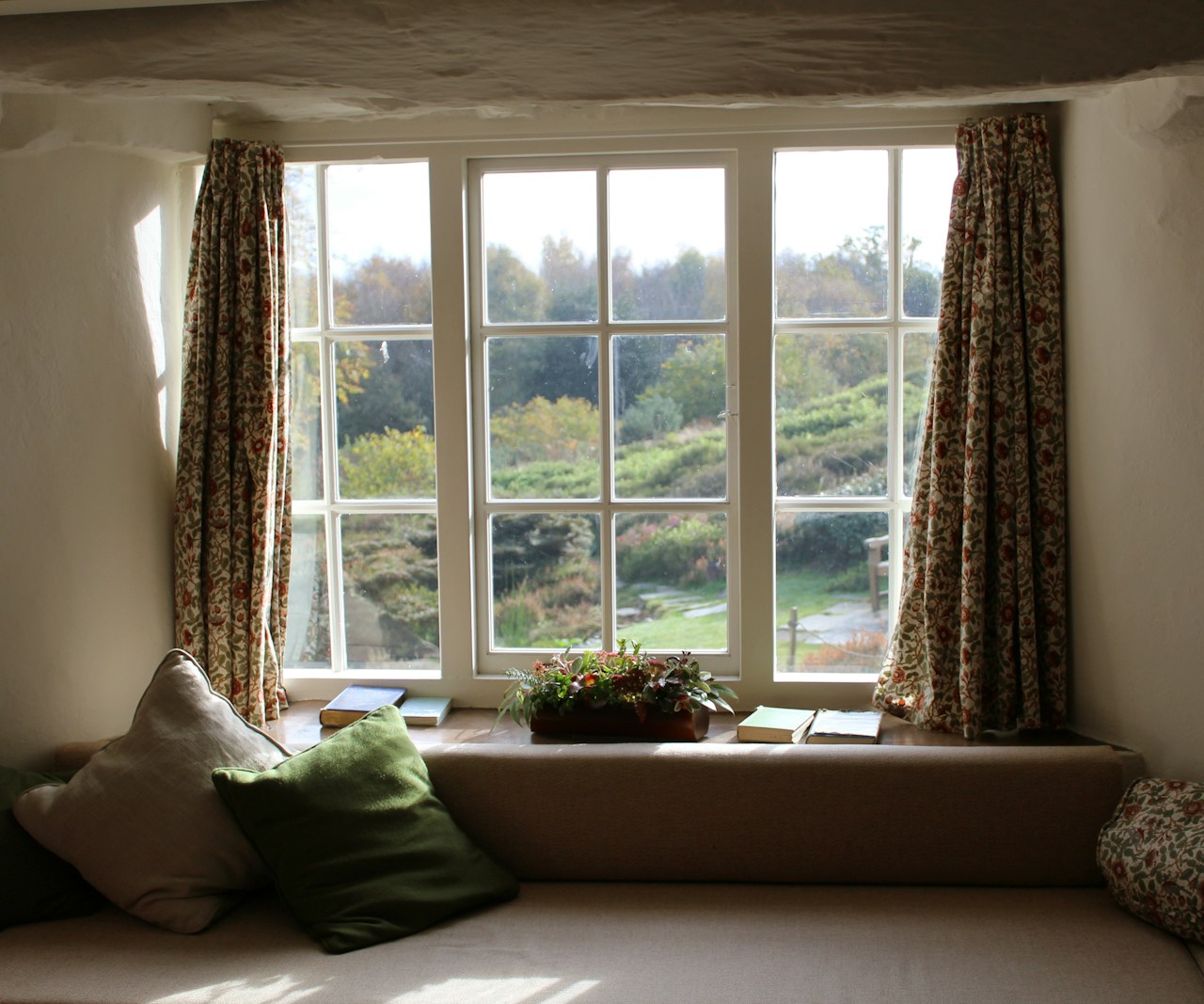
Bay and bow windows extend outward from your home, creating additional interior space, architectural interest, and panoramic views. They’re excellent for Hampton Roads homes looking to maximize their connection to the outdoors.
Bay vs. Bow: What’s the Difference?
Bay windows use 3 panels at an angle (typically 30° or 45°), project 1–2 feet from the wall, and create a defined interior shelf or window seat. The center panel is usually fixed glass with operable windows on the sides. They run $1,800–$4,500 and work well for reading nooks and breakfast areas.
Bow windows use 4–6 panels in a curved arrangement, also projecting 1–2 feet from the wall but creating a wider, curved interior space. They typically use multiple casement windows or fixed panels and are ideal for panoramic views in living rooms.
Why Hampton Roads Homeowners Love Bay and Bow Windows
The projection lets you see in multiple directions at once, which is especially valuable for waterfront homes capturing views of the Chesapeake Bay, Elizabeth River, or Atlantic. The extended space creates room for window seats, plant shelves, or decorative displays. Glass facing multiple directions brings in light from more angles throughout the day. And the curb appeal boost is significant, potentially increasing your home’s value and buyer interest when selling.
Keep in mind that bay and bow windows may require additional structural framing, need their own small roof section, take 4–8 hours to install (versus 30–60 minutes for standard), and may require permits depending on the structural work involved.
Which Windows Are Best for Kitchens and Bathrooms?
Awning windows are best for kitchens and bathrooms. They provide ventilation even during rain, which is critical for managing moisture and cooking odors.
Awning windows hinge at the top and open outward from the bottom, creating a canopy effect. Rain runs off the open glass instead of entering your home, so you can ventilate during storms. Steam and odors escape efficiently, and moisture-prone rooms stay drier.
Kitchen Window Recommendations
Above the sink, an awning or casement window works best because it’s easy to operate while reaching over the counter and can stay open during rain. A bay window in the breakfast nook creates a seating area with views. Double-hung or sliding windows on kitchen walls provide versatile ventilation. And for plant lovers, a garden window gives you a greenhouse-like shelf perfect for growing herbs.
Bathroom Window Recommendations
For moisture removal, an awning window placed high on the wall is ideal since it can stay open even in rain. For privacy with natural light, any window style with obscure glass works. For a bathroom with a view, try a picture window for the scenery with a high awning above for ventilation. In small bathrooms, awning windows are space-efficient because they open outward rather than taking up interior room.
Privacy glass options include obscure, pebble, cascade, fern, and reed patterns, all of which provide high privacy while still letting in good natural light.
What Frame Material Works Best Near Salt Water?
Fibrex composite and fiberglass perform best in Hampton Roads’ salt air environment. They resist corrosion, humidity damage, and temperature extremes.
Here’s how each material handles our coastal conditions:
- Fibrex composite — Excellent against salt air, humidity, and UV exposure. Zero maintenance. Lasts 35–40+ years here.
- Fiberglass — Also excellent across all coastal challenges. Minimal maintenance. Lasts 30–40 years locally.
- Premium vinyl — Good salt air and humidity resistance, fair UV resistance. No maintenance needed. 20–30 years locally.
- Standard vinyl — Fair salt air resistance, fair humidity resistance, poor UV resistance. No maintenance but only 15–20 years.
- Aluminum — Poor salt air resistance (corrodes), fair humidity resistance, good UV resistance. Low maintenance but just 15–20 years.
- Wood — Poor salt air and humidity resistance, fair UV resistance. High maintenance demands. 15–20 years in our climate.
Why Fibrex Is Ideal for Hampton Roads
Fibrex is a proprietary composite exclusive to Renewal by Andersen that combines reclaimed wood fibers with thermoplastic polymer. The result is a material that’s twice as strong as vinyl with a 40+ year lifespan in coastal conditions and zero maintenance requirements. It won’t rot, corrode, or warp.
Where Fibrex really shines is against Hampton Roads’ specific challenges. Chesapeake Bay salt air won’t corrode or pit it. Our 70–80% summer humidity won’t cause rot or mold. Intense summer sun won’t warp it or make it brittle. Hurricane-force winds won’t compromise its structural integrity. And our temperature swings from 20°F winters to 95°F+ summers cause only minimal expansion and contraction.
Mr. Rogers Windows is Hampton Roads’ exclusive dealer for Renewal by Andersen windows with Fibrex frames.
What Glass Options Reduce Cooling Costs?
SmartSun Low-E4 glass is 70% more energy efficient in summer. For Hampton Roads homes where AC runs May through September, this dramatically reduces cooling costs.
Here’s how the main glass options compare:
- Single-pane — Very poor summer and winter efficiency, blocks less than 25% of UV. Lowest cost but the worst performer by far.
- Standard double-pane — Fair efficiency in both seasons, blocks 40–50% of UV. A significant step up from single-pane.
- Double-pane with Low-E — Good efficiency, blocks 75–85% of UV. The minimum we’d recommend for Hampton Roads.
- Double-pane with Low-E and argon — Very good efficiency, blocks 80–85% of UV. The sweet spot for most homeowners.
- Triple-pane with Low-E — Excellent efficiency, blocks 85–90% of UV. Best for maximum performance.
- SmartSun Low-E4 — The best summer efficiency available, excellent in winter too, blocks 95%+ of UV. Specifically designed for hot, sunny climates like ours.
Why SmartSun Low-E4 Is Best for Hampton Roads
SmartSun Low-E4 glass (exclusive to Renewal by Andersen) uses advanced coatings optimized for climates like ours. It’s 70% more efficient than ordinary dual-pane in summer and 45% better in winter. It blocks over 95% of harmful UV rays while maintaining full visible light transmission, protecting your furniture from fading.
How Do You Choose Windows for Different Rooms?
Choose windows based on each room’s function, privacy needs, and view potential. There’s no single best window for every situation.
Here are recommendations for the main rooms in a Hampton Roads home:
- Living room — Primary need is views and light. Picture windows (or a picture/casement combo) with Low-E glass showcase your best views.
- Family room — Ventilation and light are key. Double-hung or bay windows with Low-E glass work well, and tilt-in cleaning keeps things easy.
- Primary bedroom — Privacy and ventilation. Double-hung windows with Low-E glass and tilt-in cleaning.
- Guest bedrooms — Ventilation plus egress (emergency escape). Double-hung with Low-E glass. Must meet egress code requirements.
- Kitchen — Ventilation over the counter matters most. Awning or casement windows with Low-E glass, since they open even during rain.
- Primary bathroom — Privacy and ventilation. Awning windows placed high, with obscure glass.
- Guest bathroom — Privacy and light. Any style with obscure glass that matches your home.
- Dining room — Views and elegance. A bay window with Low-E glass creates a beautiful focal point.
- Home office — Natural light with low glare. North-facing placement is ideal. Low-E glass minimizes direct sun.
- Sunroom — Maximum light and views. Casement window walls with Low-E glass give you the best ventilation.
- Basement — Light and egress (if used as a bedroom). Awning or hopper windows with Low-E glass.
Egress Window Requirements
Bedroom windows in Hampton Roads must meet egress requirements for emergency escape. The opening needs to be at least 20 inches wide and 24 inches high, with a minimum net clear opening of 5.7 square feet. The sill can’t be more than 44 inches from the floor. These are code requirements, not suggestions.
What Windows Increase Home Value Most?
Energy-efficient windows and bay/bow windows add the most resale value. Quality windows return 70–85% of their cost at sale and help homes sell faster.
Here’s how different window investments perform at resale:
- Basic vinyl replacement returns 70–75% of cost, plus improved energy efficiency
- Premium Low-E replacement returns 75–80%, with both energy and comfort gains
- Fibrex composite windows return 80–85%, valued for longevity and transferable warranty
- Bay window addition returns 75–85%, adding curb appeal and interior space
- Impact-resistant upgrade returns 80–90%, with the added benefit of potential insurance savings
What Do Hampton Roads Buyers Look For?
Local buyers prioritize energy-efficient glass (signals lower utility costs), quality frame material (signals low maintenance and durability), coastal durability (signals the windows won’t need replacement anytime soon), modern appearance (signals an updated home), and easy operation (signals good overall condition). A transferable warranty is also a significant selling point. Renewal by Andersen’s 20-year limited warranty transfers to new owners, giving buyers confidence that the windows are protected.
Other Frequently Asked Questions
What is the best type of window for humid climates?
Casement and awning windows perform best in humid climates because they provide excellent ventilation to reduce indoor humidity. Frame material matters too: Fibrex composite and fiberglass resist humidity damage better than wood or standard vinyl.
Are casement windows better than double-hung?
Casement windows provide better ventilation (100% vs. 50% open area) and superior storm sealing. Double-hung windows are easier to clean (tilt-in feature) and don’t require exterior clearance. For Hampton Roads, both are excellent choices.
What windows are best for hurricane areas?
Impact-resistant glass can be added to most window styles. Casement windows offer a slight advantage because wind pressure improves their seal. For true hurricane protection, choose impact-rated glass with Fibrex or fiberglass frames.
How do I choose between vinyl and Fibrex windows?
Vinyl costs less upfront ($400-$800 vs. $800-$1,500 per window). Fibrex lasts longer (40+ years vs. 15-25 years), performs better in coastal conditions, and offers better energy efficiency over time. For Hampton Roads homes, Fibrex provides better long-term value.
What’s the most energy-efficient window type?
Fixed windows (picture, architectural shapes) are most efficient because they have no operable parts to leak air. Among operable windows, casement windows seal tightest. Glass matters most: SmartSun Low-E4 provides the best energy performance.
Should I get double or triple-pane windows?
Double-pane Low-E windows with argon fill provide excellent performance for Hampton Roads. Triple-pane adds 15-25% more efficiency but costs $100-$200 more per window. Triple-pane is worth considering for maximum efficiency or noise reduction near busy roads.
What windows let in the most light?
Picture windows allow the most light because they have the largest glass area with no sashes or rails. Casement windows have more glass area than double-hung windows of the same size because they lack a center meeting rail.
Can I mix window styles in my home?
Yes. Using different styles for different needs is common and recommended. The key is maintaining consistent exterior appearance through matching colors, grille patterns, and complementary proportions.
Find Your Perfect Windows
Ready to explore the best windows for your Hampton Roads home? Mr. Rogers Windows offers free, no-obligation consultations with our design specialists.
Mr. Rogers Windows 📍 2100 Scenic Parkway, Suite 101, Chesapeake, VA 23323 📞 (757) 512-6242 🕐 Monday – Friday: 8:30am – 5:00pm | Saturday – Sunday: Closed
In Your Free Consultation: – Discuss your needs and priorities – See samples of all window styles – Review color and customization options – Get precise measurements – Receive detailed quote (valid 1 year) – No pressure, no obligation
Serving Hampton Roads Since 1986: Virginia Beach, Norfolk, Chesapeake, Suffolk, Newport News, Hampton, Portsmouth, Yorktown, Williamsburg, Smithfield, Gloucester, Elizabeth City, Moyock, Outer Banks, and surrounding communities.
Mr. Rogers Windows is Hampton Roads’ exclusive source for Renewal by Andersen replacement windows. We combine 39 years of local expertise with industry-leading products and factory-trained installation to enhance the comfort, efficiency, and value of your home.




You must be logged in to post a comment.