

Can Windows Lead to a Healthier Home?
Tuesday, 08 September 2026
Discover how windows impact your home environment. Learn how high-performance windows contribute to better indoor air quality, natural light, comfort, and noise reduction for a healthier home.
- Published in Windows
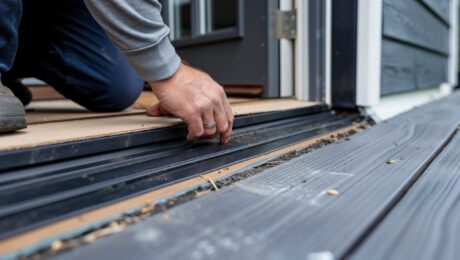
How to Weatherstrip French Doors to Stop Drafts and Save Energy
Wednesday, 08 July 2026
Drafty French doors waste energy and let salt air, humidity, and pests into your home. Here's a step-by-step guide to weatherstripping French doors for a tight, long-lasting seal in Hampton Roads' coastal climate.
- Published in French Doors, Patio Doors
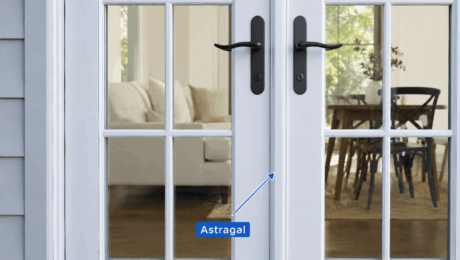
What Is an Astragal and Why Does It Matter on Your French Doors?
Tuesday, 30 June 2026
The astragal is the small strip in the middle of your French doors that does most of the sealing work. Here's what it is, how to tell when yours is failing, and how to fix or replace it.
- Published in French Doors, Patio Doors
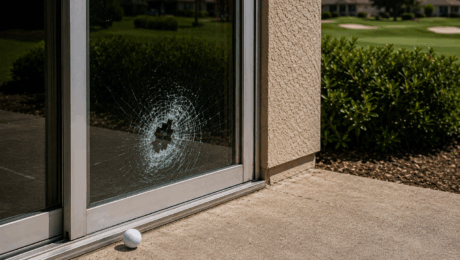
How to Protect Your Windows from Golf Balls
Monday, 29 June 2026
Golf balls can shatter windows in seconds. Here's how to protect your home with screens, film, impact glass, and smart landscaping.
- Published in Windows
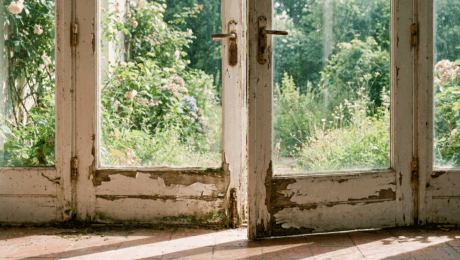
Is It Time to Replace Your Patio Doors? Use This Checklist
Tuesday, 26 May 2026
Your patio doors need replacement when they’re hard to open or close, let in drafts, show visible damage to the frame or glass, or no longer lock securely. When they’re failing, they become a major source of energy loss, security risk, and daily frustration. The checklist helps you take an honest inventory of how your patio doors are actually performing right now.
- Published in Patio Doors, Sliding Doors
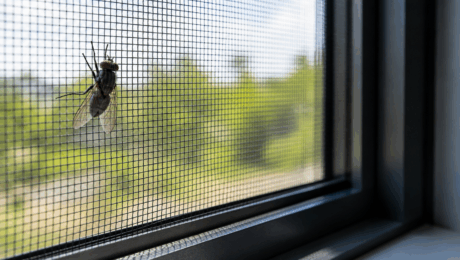
TruScene Screens vs. Standard Mesh Screens: Are They Worth It?
Tuesday, 12 May 2026
How Do TruScene Screens Compare to Standard Fiberglass Mesh?
TruScene screens offer 50% more clarity, 33% more airflow, and significantly better insect protection than standard fiberglass mesh screens. They cost roughly three times more, but to some the performance difference is substantial. Read to find out how they stack up across the categories that matter most.
- Published in Eco Friendly, Windows
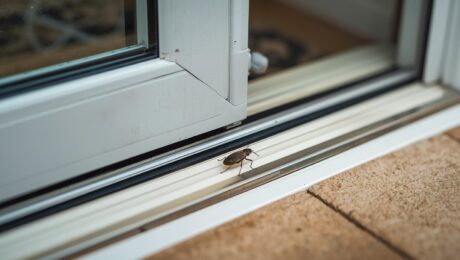
How to Protect Your Sliding Door from Pests
Wednesday, 08 April 2026
Pests enter through sliding doors because of gaps in weatherstripping, damaged seals, dirty tracks that provide food sources, and lubricants that actually attract insects. In Hampton Roads, where warm weather and high humidity create an active pest environment for most of the year, your sliding door is one of the most vulnerable entry points in your home. Sliding doors have more potential gaps than a standard door or window. The track channel along the bottom, the weatherstripping along the edges, the junction between the sliding panel and the fixed panel, and the threshold seal all create opportunities for insects and small pests to find their way inside.
- Published in Sliding Doors
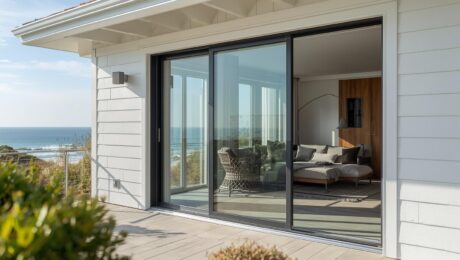
How to Make a Sliding Door Slide Easily
Wednesday, 08 April 2026
A sliding door that’s hard to open is almost always caused by a dirty track, worn rollers, or a misaligned door panel. In Tidewater, our coastal environment adds salt buildup, humidity-related corrosion, and sand accumulation to the list of usual suspects. Before you assume the worst, know that most sliding door stiffness can be addressed with basic maintenance. A good cleaning and lubrication solves the majority of cases. But if maintenance doesn’t help, you may be looking at roller failure, frame warping, or track damage that requires professional attention or replacement.
- Published in Sliding Doors