
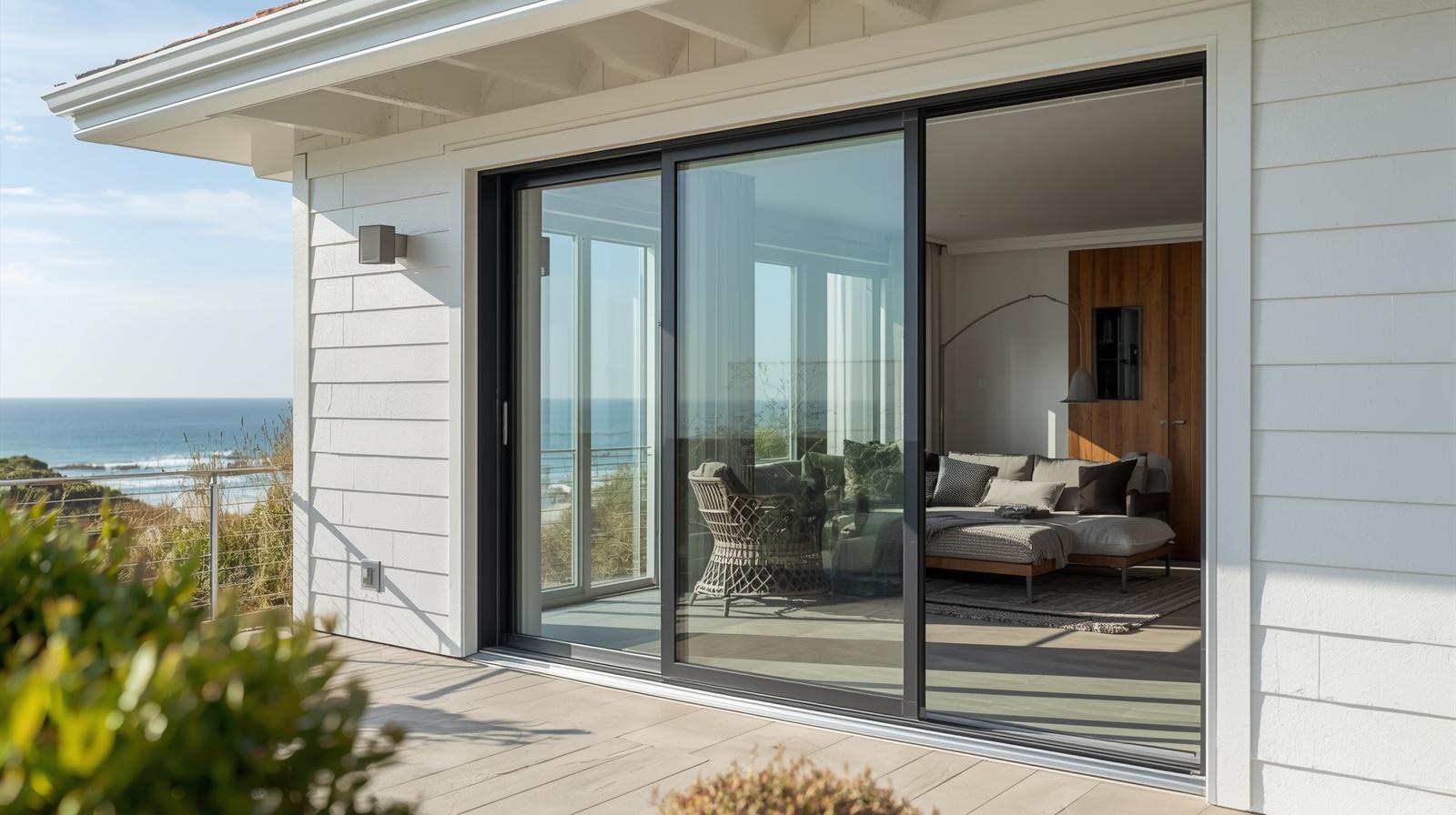
Why Is My Sliding Door Hard to Open?
A sliding door that’s hard to open is almost always caused by a dirty track, worn rollers, or a misaligned door panel. In Tidewater, our coastal environment adds salt buildup, humidity-related corrosion, and sand accumulation to the list of usual suspects.
Before you assume the worst, know that most sliding door stiffness can be addressed with basic maintenance. A good cleaning and lubrication solves the majority of cases. But if maintenance doesn’t help, you may be looking at roller failure, frame warping, or track damage that requires professional attention or replacement.
Here are the most common causes, roughly in order of how likely they are:
- Dirt and debris in the track. Sand, pet hair, leaves, and grime build up in the track channel and physically block smooth movement. This is the #1 cause in Virginia Beach, where sand and salt find their way into everything.
- Worn or damaged rollers. The wheels at the bottom of the sliding panel wear out over time. Once they’re flat-spotted or corroded, the door drags instead of rolling.
- Lack of lubrication. Metal-on-metal contact without proper lubrication creates friction that makes the door feel heavy.
- Misaligned door panel. If the door has settled or shifted, the rollers may not be sitting properly in the track.
- Bent or damaged track. A dent or warp in the track channel prevents the rollers from traveling smoothly.
- Warped frame. Humidity and temperature changes in Virginia Beach can cause frame materials (especially wood and cheaper vinyl) to warp over time, pulling the door out of alignment.
- Worn weatherstripping is creating drag. Old, compressed, or misshapen weatherstripping can create friction against the door panel.
How Do You Clean a Sliding Door Track?
Cleaning the track is the first and most effective step for restoring smooth operation. Most homeowners are surprised at how much debris accumulates in that narrow channel.
Here’s how to do it properly:
Step 1: Vacuum the track. Use a vacuum with a crevice attachment to remove loose dirt, sand, and debris. Get into both the bottom track and the top guide channel. In Virginia Beach, you’ll likely find a surprising amount of sand and salt residue.
Step 2: Scrub stubborn buildup. Mix warm water with a few drops of dish soap. Use an old toothbrush or a stiff-bristled brush to scrub the track channel, focusing on corners and the areas where the rollers sit. For hardened grime, let the soapy water sit for a few minutes before scrubbing.
Step 3: Wipe clean. Use a damp cloth or paper towels to wipe out all the loosened debris and soap. Make sure no residue is left behind, as soapy residue can actually attract more dirt.
Step 4: Dry thoroughly. Wipe the track dry with a clean cloth. Leaving moisture in the track, especially in South-eastern Virginia’s humid climate, encourages corrosion on metal components.
Step 5: Lubricate. Apply a silicone-based spray lubricant to the track (see the next section for details on choosing the right lubricant).
Make this a regular habit. Cleaning your sliding door track every two to three months prevents buildup from reaching the point where it affects door operation. In Virginia Beach, where sand and salt are constant, quarterly cleaning is especially important during spring and summer when doors get the most use.
What Is the Best Lubricant for a Sliding Door?
Silicone spray is the best lubricant for sliding doors. It reduces friction without attracting dirt, dries clean, won’t stain the track, and works well in Virginia Beach’ humidity.
This is one area where using the wrong product can actually make things worse. Here’s what to use and what to avoid:
Use silicone spray
Silicone-based lubricants (like WD-40 Specialist Silicone or similar products) are ideal because they create a slick, dry barrier that doesn’t attract dirt or dust. They won’t gum up over time, they’re safe for use on metal, vinyl, and rubber components, and they perform well across the temperature ranges.
To apply: spray a light, even coat along the entire length of the bottom track. Slide the door back and forth a few times to distribute the lubricant across the rollers. Wipe up any excess with a clean cloth.
Avoid oil-based or light petroleum lubricants
Products like standard WD-40 (the original formula, not the silicone specialist version), 3-in-One oil, or other petroleum-based lubricants are a common mistake. They work initially but create problems over time.
Oil-based lubricants attract dirt and dust, which mix with the oil to form a gummy paste that makes the door harder to slide, not easier. In the Greater Hampton Roads area, they can also attract insects that are drawn to the oily residue. Stick with silicone spray and avoid the cycle of lubricate-gum up-clean-repeat.
What about the top guide?
Don’t forget the top channel where the door’s upper edge rides. Apply a light coat of silicone spray there, too.
If the top guide has adjustable rollers or guides, lubricate those contact points as well.
How Do You Adjust Sliding Door Rollers?
Most sliding doors have adjustment screws at the bottom of the door panel that raise or lower the rollers. Adjusting these can solve alignment issues and restore smooth operation.
Here’s how to find and adjust them:
Step 1: Locate the adjustment screws. Look at the bottom edge of the sliding panel, near each end. You’ll typically find small holes or cover plugs concealing Phillips-head or hex adjustment screws. Some doors have access holes on the face of the door near the bottom.
Step 2: Determine what needs adjusting. If the door drags on one side but not the other, the rollers on the dragging side need to be raised. If the door is hard to slide everywhere, both sides may need raising. If the door wobbles or doesn’t sit evenly, one side is higher than the other.
Step 3: Make small adjustments. Using a screwdriver or hex key, turn the adjustment screw. Typically, turning clockwise raises the door (lifts it off the track), and counterclockwise lowers it. Make quarter-turn adjustments and test the door after each one. Small changes make a big difference.
Step 4: Check alignment. When properly adjusted, the door should slide smoothly, close flush against the frame, and lock without forcing. There should be an even gap between the door panel and the frame on all sides.
If adjusting the rollers doesn’t help, the rollers themselves may be worn out, corroded, or broken. Roller replacement is possible on some doors but can be difficult. If your door is over 15 years old and the rollers are failing, it’s usually more cost-effective to replace the entire door.
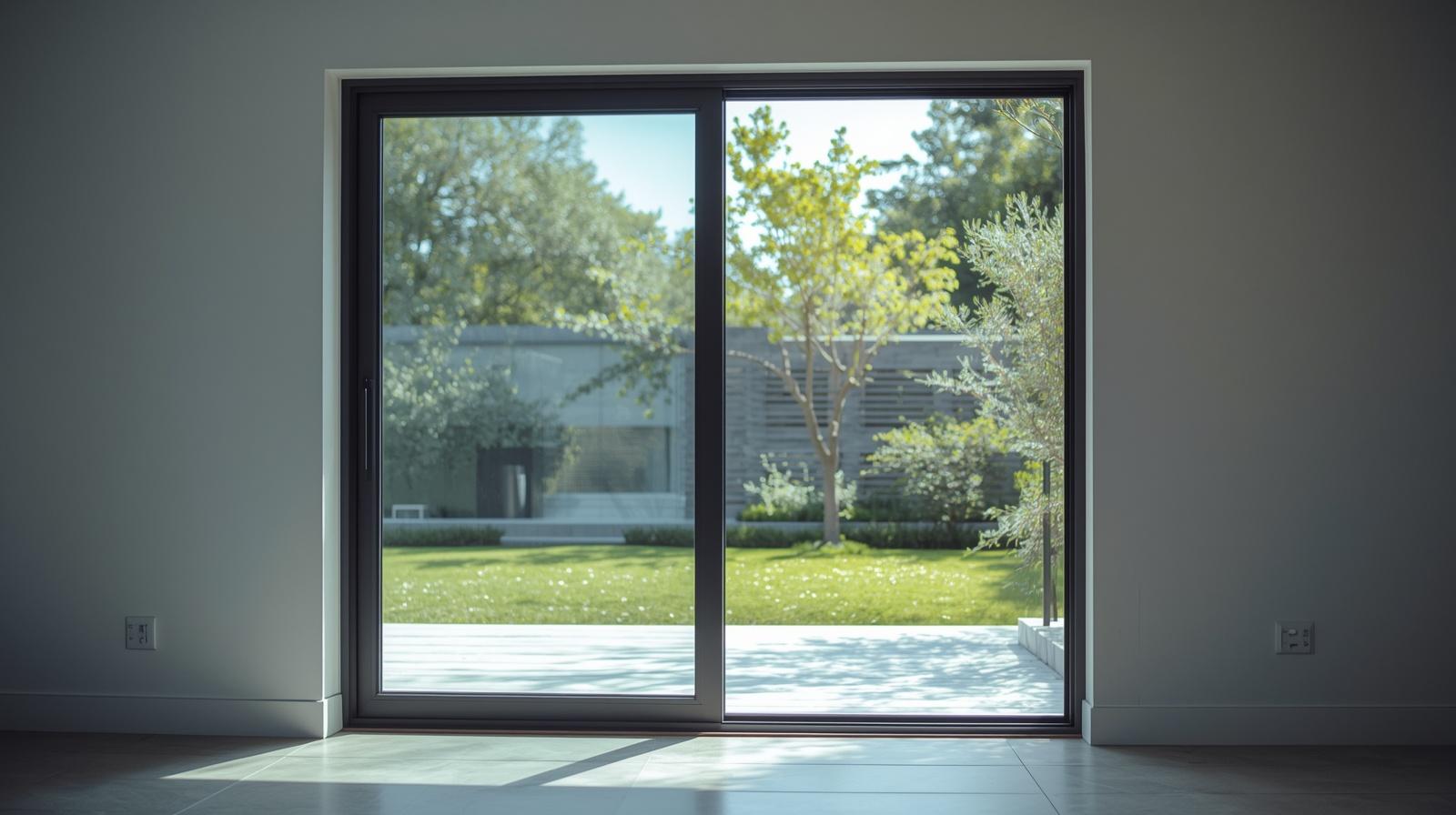
When Should You Replace Weatherstripping on a Sliding Door?
Replace weatherstripping when you can see daylight around the closed door, feel drafts, or notice the rubber or foam is cracked, compressed flat, or pulling away from the frame.
Weatherstripping is the rubber, foam, or vinyl seal that runs along the edges of your sliding door to block air and water infiltration. Over time, it compresses, cracks, and loses its ability to seal.
In the South-eastern Virginia area, UV exposure accelerates this breakdown, especially on south and west-facing doors.
Signs your weatherstripping needs replacement:
- You can feel air movement near the edges of the closed door
- Visible cracks, tears, or gaps in the seal material
- The weatherstripping has compressed flat and doesn’t spring back
- Water leaks in during heavy rain
- You can see daylight between the door panel and the frame
- Increased outside noise when the door is closed
Weatherstripping replacement costs $20-$75 in materials for a DIY job. If the rest of the door is in good condition (solid frame, good glass, smooth rollers), it’s a worthwhile repair. Just make sure to match the replacement strip’s profile to your door’s design, since different manufacturers use different shapes and attachment methods.
However, if the weatherstripping is failing alongside other problems (stiff rollers, foggy glass, frame damage), patching the weatherstripping alone won’t address the root issues.
In that case, full door replacement gives you modern seals, efficient glass, and a fresh start.
Can a Bent or Damaged Track Be Fixed?
Minor dents in a sliding door track can sometimes be straightened with a flat-head screwdriver and gentle tapping, but significant damage usually means the track (or the entire door) needs replacement.
Small dents or high spots in the track from a dropped object or heavy impact can be carefully tapped back into shape. Place a block of wood against the dented area and tap gently with a hammer to avoid creating new dents.
Then test the door to see if it rolls smoothly over the repaired area.
Deeper issues are harder to fix. If the track is bent along its length (bowed or curved), corroded through, or the channel has been deformed enough that rollers can’t travel smoothly, track repair isn’t practical.
In most cases, the track is integrated into the door frame, so replacing the track means replacing the entire door assembly.
In Virginia Beach, track corrosion from salt air is a common problem, particularly on aluminum tracks.
Regular cleaning and silicone lubrication helps prevent corrosion, but once pitting or rust has taken hold, the damage is progressive. Fibrex composite door frames from Renewal by Andersen don’t corrode, which is one of the reasons they outlast aluminum and standard vinyl in our coastal environment.
When Is It Time to Replace Your Sliding Door Instead of Repairing It?
Replace your sliding door when repairs would cost more than 40-50% of a new door, when the frame is damaged, or when the door is over 15 years old and experiencing multiple problems.
Here are the clearest signals that repair isn’t worth it:
- Frame warping, rot, or corrosion. Once the frame is compromised, no amount of roller adjustment, track cleaning, or weatherstripping replacement will fix the fundamental problem.
- Failed glass seal. Fog between the panes means the insulated glass unit has failed. You can replace just the glass, but on an older door, you’re patching one problem while others are developing.
- Multiple issues at once. If the door is hard to slide AND has foggy glass AND the weatherstripping is shot AND the lock doesn’t engage properly, you’re looking at hundreds of dollars in repairs on a door that’s nearing the end of its life anyway.
- Security concerns. If the lock is unreliable, the door can be lifted off its track, or the glass isn’t tempered, a new door with modern security features is the responsible choice.
- Higher energy bills. An old, poorly insulated patio door is one of the biggest energy drains in your home because of its large glass area. Replacing it with SmartSun Low-E4 glass and a Fibrex frame delivers substantial cooling savings.
Mr. Rogers Windows offers free evaluations of your patio doors alongside their window consultations. If your door can be maintained rather than replaced, they’ll tell you that.
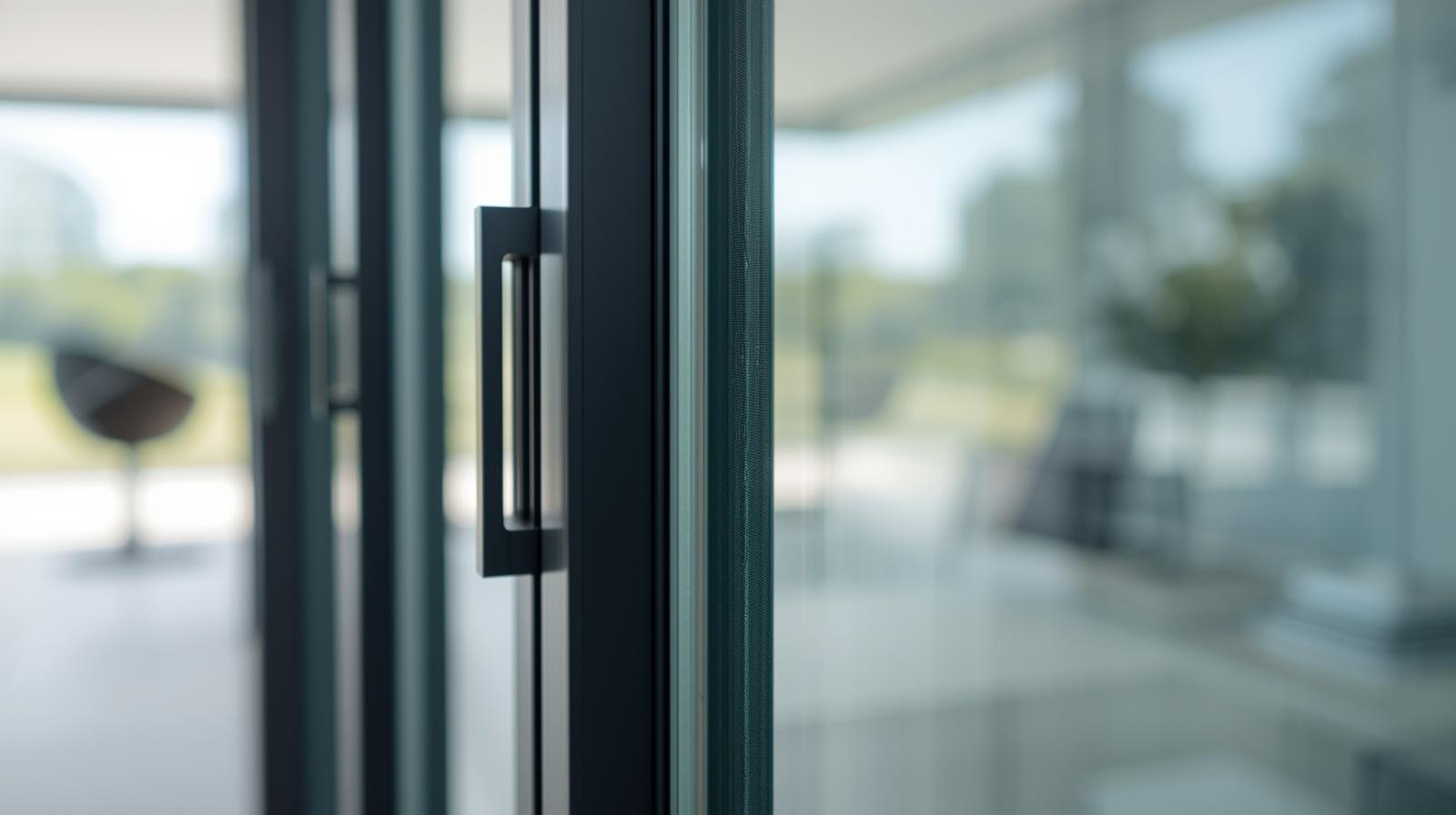
Frequently Asked Questions
How often should I clean my sliding door track?
Clean the track every two to three months, or more frequently if you live near the beach or have pets. In the Greater Hampton Roads are, quarterly cleaning during the warmer months (when the door gets the most use and sand/salt accumulation is highest) is a good baseline.
Can I use WD-40 on my sliding door?
Use WD-40 Specialist Silicone spray, not the standard WD-40 formula. The original WD-40 is petroleum-based and will attract dirt over time, making the problem worse. The silicone version dries clean and won’t gum up.
Why does my sliding door stick in summer but work fine in winter?
Humidity causes certain frame materials to expand. Wood is the worst offender, but lower-quality vinyl can also swell in heat. When the material expands, it creates friction against the track and frame. If this happens seasonally, your frame may be absorbing moisture, which is a sign of deteriorating material.
My sliding door is noisy when I open it. What’s wrong?
Noise usually means the rollers are worn, damaged, or corroded. Cleaning and lubricating the track may help temporarily, but grinding, scraping, or squealing sounds typically indicate the rollers need replacement or the door is at the end of its service life.
How do I make my sliding door more secure?
Add an auxiliary foot lock (a secondary lock at the base of the door), install a security bar in the track when the door is closed, and make sure the primary locking mechanism fully engages. Modern Renewal by Andersen sliding doors include multi-point locks and auxiliary foot locks as standard features.
How long do sliding door rollers last?
Sliding door rollers typically last 10–15 years with regular maintenance. In Virginia Beach, salt air can corrode roller bearings faster, so diligent cleaning and lubrication extend their life. If rollers fail on a newer door, replacement parts may be available. On doors over 15 years old, roller failure is often a sign that full replacement makes more sense.
Need Help With Your Sliding Door?
Whether your sliding door needs maintenance tips or a full replacement, Mr. Rogers Windows can help. We offer free, no-obligation consultations for patio doors and windows throughout Southeast Virginia and Northeastern North Carolina.
Mr. Rogers Windows 📍 2100 Scenic Parkway, Suite 101, Chesapeake, VA 23323 📞 (757) 512-6242 🕐 Monday – Friday: 8:30am – 5:00pm | Saturday – Sunday: Closed
In Your Free Consultation: – Discuss your needs and priorities – See samples of all window styles – Review color and customization options – Get precise measurements – Receive detailed quote (valid 1 year) – No pressure, no obligation
Serving Hampton Roads Since 1986: Tidewater, Virginia Beach, Norfolk, Chesapeake, Suffolk, Newport News, Hampton, Portsmouth, Yorktown, Williamsburg, Smithfield, Gloucester, Elizabeth City, Moyock, Outer Banks, and surrounding communities.
Mr. Rogers Windows is Tidewater’s exclusive source for Renewal by Andersen replacement windows and patio doors. We combine 39 years of local expertise with industry-leading products and factory-trained installation to enhance the comfort, efficiency, and value of your home.



You must be logged in to post a comment.